Man Utd Injury Shock: Full Preview via 789club-1.ae.org
You are finalizing your matchday plans, checking fantasy lineups, or preparing for a crucial viewing schedule, only to encounter a sudden update regarding key Manchester United players being ruled out. Navigating these abrupt squad disruptions leaves supporters scrambling for clarity, particularly when high-stakes fixtures loom on the horizon. Rather than relying on fragmented rumors, the most reliable approach involves tracking official medical bulletins, analyzing how the coaching staff adjusts formations, and understanding which backup options step into critical roles. This breakdown consolidates the latest available information, outlines the tactical ripple effects, and establishes a practical framework for monitoring squad updates as the week progresses.
Latest Updates on Squad Availability
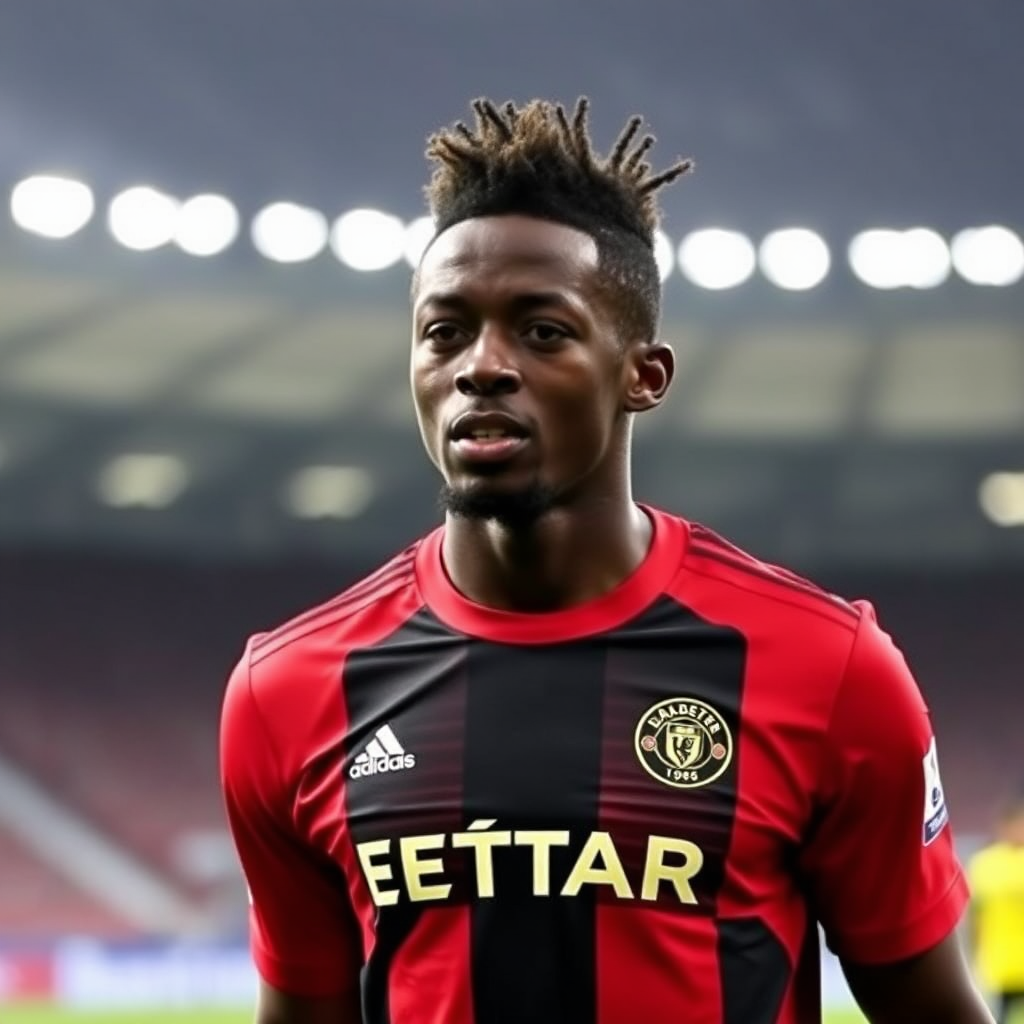
The recent injury notifications have centered on a combination of muscle strain recoveries and contact-related setbacks affecting multiple positions. Medical staff typically categorize these issues using standard grading systems, ranging from mild stiffness to moderate tissue damage requiring extended rehabilitation. When several personnel fall outside the immediate match-day window simultaneously, the priority shifts from short-term patchwork to systematic rotation management. Training ground sessions have been adjusted accordingly, with fitness coaches isolating affected individuals while maintaining intensity for fully available players. The club’s communications team continues to release structured updates, emphasizing that return timelines depend on individualized recovery metrics rather than fixed calendar dates. Until official clearance is granted, the coaching staff treats each missing name as a confirmed absence for the upcoming competitive fixture.
 Hình minh hoạ: 789club
Context and Historical Precedents
Squad disruption has become a recurring narrative throughout modern top-flight campaigns, largely due to compressed scheduling, European commitments, and intensified physical demands. Manchester United’s recruitment strategy has consistently aimed to build positional redundancy, yet the sheer volume of high-intensity matches often tests bench depth. Past seasons demonstrate that successful navigation of injury waves relies heavily on cross-positional versatility, youth integration, and meticulous load management. When senior figures miss extended periods, the performance profile of the squad naturally shifts toward younger academy graduates and experienced loan signings who understand the tactical language. Historical data shows that teams managing these transitions smoothly typically adjust pressing triggers, reduce defensive line height, and emphasize transitional speed over sustained possession. Understanding this pattern helps supporters anticipate how the current setup will evolve under similar pressure.
Tactical Shifts and Position-Level Impact
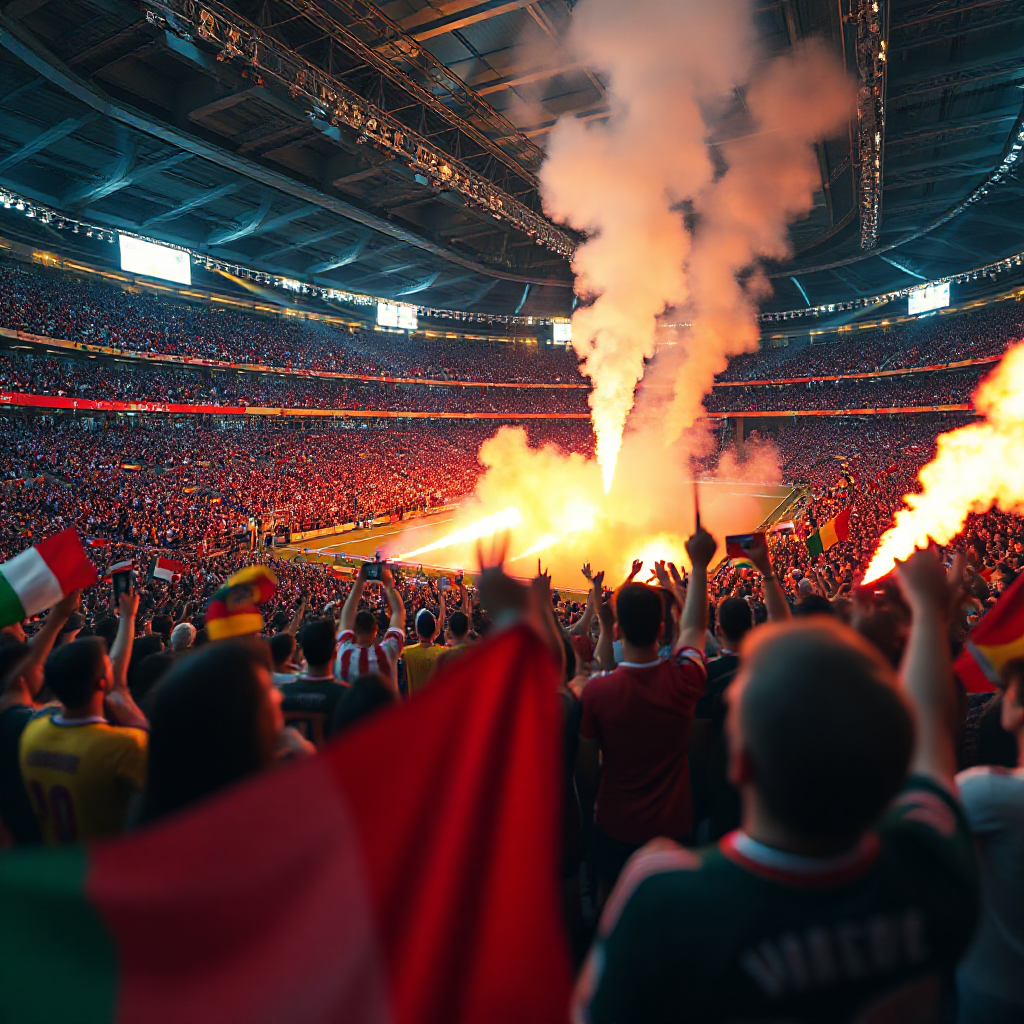
The absence of primary starters forces immediate structural recalibration across the pitch. Defensive partnerships require rapid chemistry building, often prompting full-backs to tuck inside or wingers to track back with greater consistency. Midfield control becomes dependent on double-pivots or inverted runners who can shield the backline while initiating quick counters. Forward options must compensate for reduced service by making earlier off-ball runs, dropping deeper to collect possession, or increasing physical duels in the final third. Coaching staffs typically respond by simplifying set-piece routines, reducing complex passing combinations, and focusing on direct transitions that exploit space behind advancing opposition lines. These adjustments prioritize stability over flair, ensuring the team remains competitive even when ideal personnel configurations are unavailable. For those tracking real-time squad movements, platforms like 789club provide centralized coverage that aggregates official statements, training footage, and expert breakdowns in one accessible location.
| Positional Area | Current Status Indicator | Recommended Replacement Profile | Tactical Impact Level |
|---|---|---|---|
| Central Defense | Monitored for bilateral availability | Experienced ball-playing center-back | High |
| Defensive Midfield | Return pending progressive loading | Box-to-box option with aerial strength | Moderate |
| Wide Attacking | Available for training participation | Pace-driven winger with cut-in tendency | Moderate |
| Striker Role | Fitness test scheduled ahead of deadline | Target man with hold-up capability | High |

Media and Stakeholder Responses
Press conferences following injury announcements typically follow a structured format, with managers acknowledging the setback while emphasizing preparation continuity. Technical staff stress that external narratives rarely reflect internal medical protocols, as recovery pathways remain highly individualized. Journalists frequently request clarification on expected return windows, but clubs routinely decline to publish specific dates until players pass stage-gated assessments. Supporter groups and analyst networks have responded by shifting focus from speculative doom-mongering to constructive evaluation of bench strength. Social media discussions increasingly highlight young academy prospects stepping into meaningful minutes, demonstrating how developmental pathways intersect with first-team necessity. This collective pivot toward realistic expectations reduces panic-driven commentary and aligns fan engagement with the operational reality of professional football.
Upcoming Fixtures and Monitoring Priorities
The next series of matches presents a clear test of roster resilience, particularly when travel distance and rest intervals compress the recovery timeline. Tracking progress requires attention to three core indicators: training ground attendance, localized fitness testing results, and last-minute squad submission lists. Coaches typically experiment with alternative rotations during midweek cup ties or less demanding domestic fixtures, reserving peak combinations for league-critical encounters. Fantasy participants and statistical modelers should adjust projection parameters to account for reduced minutes distribution among second-choice personnel. Additionally, weather conditions and pitch surface quality may influence substitution timing, especially when leg freshness becomes a limiting factor. Establishing a consistent monitoring routine prevents reactive decision-making and allows stakeholders to adapt strategies before official lineups are published.
Frequently Asked Questions
How long do typical muscle strains keep United players out?
Recovery duration varies by grade, with minor strains usually resolving within ten to fourteen days while moderate cases can extend beyond three weeks. Medical teams prioritize functional readiness over calendar progression, meaning players must complete progressive running drills, change-of-direction exercises, and sport-specific conditioning before returning to match action.
Will youth players receive automatic starting opportunities?
Academy talent often gains exposure when senior figures are unavailable, but selection depends on tactical compatibility rather than automatic promotion. First-team coaches evaluate training performance, psychological maturity, and familiarity with the system before granting starting roles, ensuring developmental minutes align with competitive requirements.
Where can supporters access verified injury updates?
Official club channels, recognized sports journalists with direct access to medical briefings, and licensed broadcast partners provide the most accurate information. Third-party aggregators occasionally accelerate news circulation, but cross-referencing multiple credible sources prevents reliance on unverified leaks or premature speculation.
How do substitutions affect late-game injury risk?
Managed minute limits and strategic replacements reduce cumulative fatigue, lowering the probability of soft-tissue setbacks during high-intensity phases. Clubs typically deploy fresh legs during critical transition moments, preserving veteran players for set-piece execution and tactical stability rather than continuous running demands.
Forward-Looking Recommendations
Supporter associations, fantasy league managers, and tactical analysis groups share overlapping priorities when navigating sudden squad depletion. Collective consensus emphasizes verifying information through official club statements before adjusting expectations, prioritizing positional flexibility over rigid starting assumptions, and tracking training-ground footage for subtle readiness indicators. Fantasy participants should rotate budget assets strategically, avoiding panic transfers during temporary absences while capitalizing on emerging opportunity players. Tactical observers recommend focusing on midfield pressing triggers and defensive shape maintenance, as these elements dictate match outcomes regardless of personnel changes. By aligning monitoring habits with verified data and maintaining realistic performance benchmarks, stakeholders can navigate injury disruptions without compromising long-term engagement or analytical accuracy.